
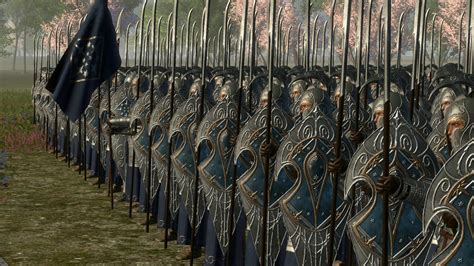
Explore the key steps to building Total Battle strong alliances, from identifying partners to maintaining relationships through effective communication and negotiation strategies. In the dynamic landscape of Total Battle, forging strong alliances can be the key to success. Collaborating with others not only enhances your strategic capabilities but also fosters a sense of community and shared goals.
As you navigate through the intricacies of alliance-building, understanding its significance becomes paramount. This step-by-step guide will lead you through the essential stages of creating and nurturing alliances, from identifying potential partners to negotiating terms that benefit all parties involved.
You’ll learn how to initiate contact, communicate effectively, and ultimately, maintain and strengthen these vital relationships. Whether you’re a seasoned player or new to the game, this guide is designed to empower you to build lasting alliances that will elevate your Total Battle experience. Let’s embark on this journey together!
Understanding the Importance of Alliances Total Battle
In the dynamic landscape of competitive environments, the establishment of alliances between various entities can serve as a crucial strategy for enhancing resilience, improving resource sharing, and fostering innovation, which ultimately leads to greater overall effectiveness in achieving common goals.
The reasons behind forming such alliances are manifold; they not only allow organizations to leverage each other’s strengths and capabilities but also enable them to combine their resources and insights, thus creating a more formidable collective force, which can navigate challenges more adeptly than individual units ever could.
As organizations increasingly recognize that navigating the complexities of modern markets requires collaboration rather than isolation, the strategic importance of these alliances becomes even more pronounced, highlighting the need for a thorough understanding of how to effectively create, maintain, and strengthen these essential connections in pursuit of sustained success.
Identifying Potential Alliance Partners Total Battle
In the intricate landscape of alliance building, the process of identifying potential alliance partners can be pivotal for ensuring the success and sustainability of your objectives, as this initial step requires thorough research and strategic thinking to pinpoint organizations or individuals that not only align with your goals but also complement your strengths and weaknesses.
To embark on this journey effectively, one must evaluate various factors such as the values, mission, and strategic capabilities of potential partners, assessing whether they exhibit a synergy with your own organization, as a harmonious relationship can amplify efforts and drive mutual benefits, thus facilitating the creation of a robust coalition to tackle shared challenges.
Furthermore, leveraging industry networks, attending relevant events, and actively participating in forums related to your sector can significantly enhance your opportunity to discover these potential partners, while providing avenues for meaningful engagement and fostering connections that may lead to fruitful alliances in the long run.

Initiating Contact and Communication Total Battle
When it comes to the critical phase of initiating contact and communication in the process of building alliances, it is essential to approach this endeavor with a well-structured and thoughtful strategy, as the first impression often carries significant weight and can set the tone for the future relationship.
In order to effectively engage potential partners, one must consider leveraging a variety of communication channels, such as email, social media, or face-to-face meetings, ensuring that the chosen method aligns with the preferences and communication styles of the parties involved, while also demonstrating a genuine interest in understanding their needs and objectives.
Furthermore, crafting a clear and concise message that highlights the potential benefits of the alliance, along with demonstrating respect for the other party’s time and resources, can greatly increase the likelihood of a positive response, paving the way for more in-depth discussions about mutual goals and the invaluable synergies that can arise from a successful partnership.
Negotiating Terms and Agreements Total Battle
When it comes to the success of any alliance formed during total battle, the process of negotiating terms and agreements is crucial, as it sets the foundation for a mutually beneficial partnership while ensuring that both parties have clear expectations and obligations that are aligned with the overall objectives of the alliance.
In order to effectively navigate the often complex landscape of negotiating terms and agreements, it is essential for each party to come to the table with a thorough understanding of their own needs as well as the potential contributions of their partner; this includes delineating roles and responsibilities, specifying the nature of the resources to be shared, and establishing a timeline for the execution of various tasks, all of which serve to foster trust and transparency throughout the collaboration.

Moreover, ongoing communication during the negotiating process is imperative, as it not only allows for any concerns or misunderstandings to be addressed in real-time, but also reinforces the commitment of both partners to the alliance, highlighting the importance of flexibility and adaptability in reaching a consensus that will empower the alliance to thrive in the competitive arena of total battle.
Maintaining and Strengthening Alliances Total Battle
To ensure the longevity and effectiveness of any alliance, it is crucial to focus on the elements that will not only maintain the existing relationships but will also lay the groundwork for strengthening them over time, as a strong partnership can lead to increased opportunities and resources that may otherwise be unavailable.
Regular communication is a key factor in the maintenance of alliances; by ensuring an open line of dialogue, partners can discuss progress, address any challenges, and establish common goals that resonate with all parties involved, thus fostering a culture of transparency and mutual respect that is vital for long-term collaboration.
Furthermore, it is also essential to recognize and celebrate the achievements of the alliance, as acknowledging milestones not only reinforces the commitment each partner has towards the alliance but also provides a powerful incentive to continue investing time and resources into the relationship, thereby ensuring that every partner feels valued and engaged in the journey ahead.

Frequently Asked Questions
What is the main focus of the blog post?
The blog post focuses on how to build effective alliances in the game ‘Total Battle’ to enhance gameplay and win strategies.
Why are alliances important in Total Battle?
Alliances are important in Total Battle as they provide mutual support, resources, and strategic advantages that can significantly influence the outcome of battles.
What steps should players take to form a successful alliance?
Players should identify potential allies, communicate clearly about goals, establish trust, and agree on roles and tactics to form a successful alliance.
How can players maintain strong alliances over time?
Players can maintain strong alliances by fostering open communication, regularly collaborating on strategies, and ensuring that all members feel valued and included.
What are common mistakes to avoid when building alliances?
Common mistakes include forming alliances solely for personal gain, neglecting communication, and failing to address conflicts early.
How does teamwork impact gameplay in Total Battle?
Teamwork in Total Battle enhances gameplay by allowing players to coordinate their efforts, share resources, and execute tactics that would be difficult to achieve individually.
Can players ever leave an alliance, and how should they do it?
Yes, players can leave an alliance if necessary. It should be done respectfully by informing other members and explaining the decision to maintain good relationships.
Leave a Reply