

Explore strategic planning, tactical maneuvering, resource allocation, and effective leadership execution to achieve Total battle battlefield victories in your endeavors. In the world of battle strategy, success is often a blend of meticulous planning, swift tactics, and effective leadership. In this blog post, I’ll share my top five total battle success stories that exemplify these crucial elements.
From strategic planning that laid the groundwork for victory to tactical maneuvering that turned the tide of combat, each story highlights the importance of resource allocation and the power of decisive leadership. These real-world examples not only inspire military enthusiasts but also offer valuable lessons in resilience, adaptability, and teamwork. Join me as we delve into these remarkable battlefield victories that showcase the art of war and the heroes who emerged triumphant.
Strategic Planning
When it comes to achieving success in any endeavor, whether it be in the realms of business, military operations, or even personal development, the importance of strategic planning cannot be overstated, as it serves as the foundational framework that guides all subsequent activities and decisions towards the ultimate goal.
Effective strategic planning involves a comprehensive analysis of the current situation, setting clear objectives, identifying potential obstacles, and formulating actionable strategies that can adapt to changing circumstances, thereby ensuring that resources are utilized efficiently and effectively throughout the process.
In the world of competitive environments, those who prioritize strategic planning invariably find themselves better equipped to navigate challenges, capitalize on opportunities, and ultimately secure a favorable position that drives them towards victorious outcomes, showcasing the undeniable connection betw
Tactical Maneuvering
In the realm of warfare and competitive landscapes, the concept of Tactical Maneuvering stands paramount, as it encapsulates the art of strategically adjusting one’s approach in response to dynamic conditions and adversarial behaviors, and this adaptability often distinguishes success from failure in battles and negotiations.
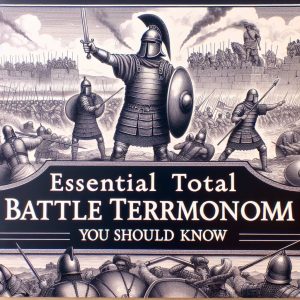
One of the most compelling examples of Tactical Maneuvering can be seen in historical military campaigns where commanders had to swiftly alter their strategies based on the unexpected movements of the enemy; for instance, the famed general who successfully flanked his opponents by utilizing the element of surprise and leveraging local geography to create advantageous scenarios highlights how crucial flexibility is in achieving battlefield success.
Moreover, the principles of Tactical Maneuvering are not only confined to military actions but can also be effectively applied to corporate strategies and personal development, where individuals or organizations must evaluate their surroundings and competitors, thereby making informed decisions that could significantly enhance outcomes, illustrating that the essence of good tactics lies in recognizing opportunities and acting upon them in a timely manner.
Resource Allocation
In the realm of achieving remarkable outcomes, the concept of Resource Allocation emerges as a crucial facet that can determine the success or failure of various endeavors, as it encompasses not only the identification and distribution of tangible assets, such as finances and materials, but also the strategic employment of human capital and time management, which are equally essential in maximizing efficiency and effectiveness.
To illustrate this further, successful operations often hinge on the ability to channel the right resources to the right place at the right time, where a deft balancing act of priorities allows for the navigation of competing demands, ensuring that essential projects receive the attention they deserve, while also maintaining the overall health and sustainability of the organization’s mission.
Ultimately, the astute allocation of resources reflects a proactive approach and a keen awareness of both internal capabilities and external market conditions, making it a vital cornerstone for leaders aiming not just for survival but for thriving in an increasingly competitive landscape, where agility and foresight can spell the difference between mediocrity and excellence.

Leadership Execution
In the complex and often unpredictable landscape of modern warfare, effective leadership execution emerges as a crucial determinant of success on the battlefield, where decision-making, adaptability, and the ability to inspire troops can significantly impact the outcome of military operations, creating a ripple effect that influences both strategy and morale in ways that are both profound and far-reaching.
Throughout history, we have seen leadership execution exemplified by several iconic military leaders who not only devised intricate battle plans but also demonstrated the capacity to adapt their tactics in real-time, ensuring that their forces remained cohesive and motivated even amidst chaos or adversity, thereby proving that the human factor in combat is just as important as any technological advance or tactical maneuver.
Furthermore, leadership execution is not merely about commanding troops in battle but also about fostering an environment of trust and collaboration, where soldiers feel valued and empowered to contribute their insights and feedback, ultimately leading to a more engaged and resilient fighting force that is ready to face even the most formidable adversaries head-on.
Battlefield Victories
When it comes to achieving battlefield victories, one cannot underestimate the significance of meticulous strategic planning, as it forms the very backbone of any successful operation, ensuring that every resource is utilized to its maximum potential while accounting for unforeseen challenges that may arise during the course of conflict.
Moreover, the element of tactical maneuvering is essential because it empowers commanders to adapt quickly to the dynamic nature of warfare, allowing them to seize opportunities and exploit weaknesses within enemy formations, all of which can lead to decisive outcomes that not only secure victories but also bolster morale among the troops involved.
Finally, it is the combination of effective resource allocation and unparalleled leadership execution that ultimately transforms a well-crafted plan into reality; as troops are mobilized, supplies are effectively managed, and leaders inspire and guide their forces toward achieving extraordinary results on the battlefield, demonstrating that victory is not merely a product of chance but rather a carefully orchestrated endeavor requiring dedication and expertise at every level.

Frequently Asked Questions
What are the key factors that contributed to the success stories mentioned in the blog post?
The key factors include strategic planning, teamwork, effective resource management, adaptability, and continuous learning from past experiences.
Can you provide an example of a specific total battle success story?
One notable success story is the coordinated offensive in the Eastern Front, where a well-planned flanking maneuver led to significant enemy retreat and resource capture.
How did teamwork play a role in the success stories shared?
Teamwork was crucial as it allowed diverse skills and perspectives to combine, resulting in well-executed strategies and faster problem-solving during critical moments.
Were there any common mistakes that led to challenges in achieving these successes?
Yes, common mistakes included underestimating enemy capabilities, overlooking logistics, and failing to adapt strategies based on real-time situations.
How can readers apply the lessons from these success stories in their own lives or projects?
Readers can apply these lessons by fostering collaboration, developing clear strategies, being willing to adapt, and learning from both successes and failures.
What was the most surprising outcome from the total battles discussed?
The most surprising outcome was the sheer resilience shown by the team in the face of overwhelming odds, which led to unexpected victories against stronger opponents.
What future trends or strategies can we anticipate in total battle scenarios based on these success stories?
Future trends may include increased use of technology for real-time data analysis, more collaborative efforts across different teams, and a focus on psychological tactics to outmaneuver opponents.
Leave a Reply