
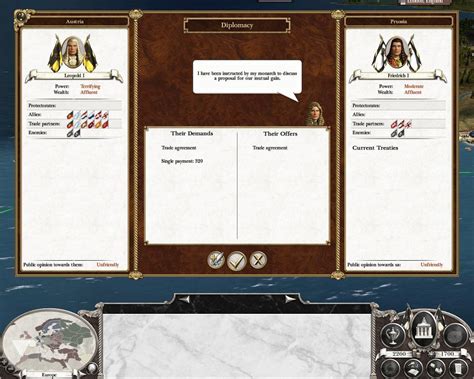
Explore the art of alliances: Learn essential strategies for diplomacy, influence expansion, negotiation tactics, and conflict Total Battle management for enduring partnerships. In the realm of Total Battle, a game where strategy, cunning, and foresight are paramount, forming robust alliances and mastering the art of diplomacy can turn the tides in your favor. As castles rise and armies march, the complex web of relationships with fellow lords and ladies can be as crucial as the fiercest warrior in your ranks. In this blog post, we delve into the intricacies of alliance building, sharing with you the fundamentals that will guide you from a solitary stronghold to the heart of a powerful coalition. We will navigate the nuanced strategies for diplomatic engagement, reveal how to expand your influence through alliance formation, finesse your negotiation skills to forge stronger pacts, and impart wisdom on maintaining these alliances while effectively managing inevitable conflicts. Embark on this journey with us and transform your gameplay into a testament to the power of unity and tactical alliances in the vast world of Total Battle.
Understanding the Basics of Alliances
At the very core of international relations and strategic partnerships, the concept of alliances forms the bedrock upon which nations, organizations, and individuals build mutually beneficial relationships that stand the test of geopolitical and economic pressures; these alliances are characterized by a synergistic exchange of support, resources, or information aimed at achieving objectives that may be out of reach for an entity acting in isolation.
The essence of an alliance goes beyond mere casual cooperation; it involves a binding agreement that delineates the roles, responsibilities, and benefits for each entity involved, thus establishing a formalized conduit for collaborative success, often fortified by legal, diplomatic, and ethical norms to ensure longevity and resilient bonds that weather through the uncertainties and challenges of a rapidly changing world landscape.
In analyzing the dynamic mechanisms operating within an alliance, it is crucial to comprehend the strategic underpinnings that necessitate the convergence of disparate groups with varying capabilities, needs, and aspirations—each participant enters into the alliance with the inherent ambition to amplify their own influence and capabilities, whilst contributing to a collective force that embodies the aphorism ‘the whole is greater than the sum of its parts.’
Lastly, a nuanced understanding of the foundational premises of alliances encapsulates both the potential rewards and inherent risks involved; alliances must be meticulously managed to maintain harmony among members, ensure clear communication, and align the evolving interests that could, if left unattended, lead to fissures that undermine the concerted effort and shared vision that brought the alliance into existence to begin with.
Strategies for Effective Diplomatic Engagement
To engage effectively in diplomacy, it is essential for statesmen, diplomats, and international representatives to possess a nuanced understanding of both verbal and non-verbal communication, ensuring that the message conveyed aligns perfectly with their nation’s strategic intent and does not give room to unwarranted ambiguities that could potentially jeopardize long-standing relationships with other nations or emerging international partners.
Developing a robust framework for diplomatic engagement often involves a careful balancing act between expressing one’s nation’s interests with clarity and assertiveness while concurrently exhibiting a high level of respect and consideration for the perspectives and cultural nuances of the counterparts, recognizing that diplomacy is an intricate dance of give-and-take, where mutual benefit and the pursuit of common ground should be the beacon guiding all interactions.
Another pivotal strategy in strengthening diplomatic relations includes extensive preparation and research; diplomats should immerse themselves in the historical and cultural contexts of the parties they are engaging with, allowing for an informed and empathetic approach to negotiations, which could be the linchpin in establishing trust and paving the way for more impactful and enduring alliances.
Additionally, in the realm of global diplomacy, adaptability and flexibility cannot be underrated, given that the international landscape is ever-changing; thus, a savvy diplomat must be prepared to navigate unexpected twists and turns in negotiations, harnessing the power of creative problem-solving and the ability to offer alternative solutions that can salvage a potentially faltering diplomatic discourse and transform it into a triumph for all parties involved.
Expanding Influence Through Alliance Formation
In the realm of international relations, the art of expanding influence rests heavily upon the strategic formation of alliances that stretch across borders, ideologies, and cultures. To this end, nations must be astute in identifying potential allies whose interests align with their own, thereby leveraging a collective strength that may far surpass the sum of its parts. It is through these meticulously crafted pacts that countries are able to project their power and secure a more dominant stance on the global stage, while simultaneously fortifying their positions against potential adversaries.

When orchestrating such alliances, it is imperative to recognize the delicate interplay between mutual benefit and shared objectives, ensuring that each member of the alliance feels valued and sees a clear advantage to their participation. This becomes particularly crucial as complex political dynamics can shift over time, leading to changes in leadership, priorities, and the geopolitical landscape at large. The ability to maintain a cohesive vision among allies while navigating these shifts is a cornerstone of successful and sustained influence expansion.
Moreover, the intricacies involved in alliance formation call for a deep understanding of not just foreign policies, but also the economic, military, and socio-cultural factors that influence other nations. This understanding allows a state to tailor its approach, offering support, resources, or expertise in areas that are likely to resonate strongly with potential allies, thus fostering stronger bonds and a more robust alliance network. Engagement in such strategic partnerships is often a delicate balance between diplomacy, negotiation, and sometimes, compromise.
Ultimately, the endgame for states engaged in expanding their influence through the formation of alliances is to create a sphere of shared power that benefits all participants. This sphere should serve as a platform for generating collective solutions for global challenges, promoting peace and security, and driving forward initiatives that yield mutual prosperity. It is through the intricate tapestry of alliances that states not only amplify their influence but also pave the path towards a more interconnected and harmonious international community.
Negotiation Skills for Stronger Pacts
In the intricate dance of international diplomacy, the mastery of negotiation skills is foundational for forging stronger pacts that can endure the test of time and tumultuous global politics. Prolonged sentences offer the space to explore nuances and elaborate on the multifaceted strategies that exemplify adept negotiation tactics, which necessitate an amalgamation of acute psychological insight, patience, and the strategic dispensation of concessions and demands.
Developing a profound understanding of one’s own objectives as well as those of the counterpart stands at the crux of successful negotiations, allowing for the cultivation of mutually beneficial agreements; this deep discernment, when paired with the sagacious articulation of proposals, can significantly enhance the persuasiveness of one’s position, thereby incrementally paving the way towards a consensus that is firmly rooted in respect and mutual gain.
The dynamic interplay of communication skills, both verbal and non-verbal, is a testament to the intricate nature of human interaction within high-stakes negotiation scenarios; effective negotiators are often those who can seamlessly navigate the subtext of dialogue, interpret the psychological undercurrents at play, and skilfully leverage them to steer discussions in a direction that aligns closely with their strategic imperatives, all the while maintaining an air of composure and diplomatic grace.

Maintaining flexibility and resilience in the face of unexpected turns in the negotiation process is emblematic of a seasoned diplomat, who recognizes that the path to strong pacts is seldom linear but often replete with unforeseen complications and the necessity for rapid adaptability; it is through this lens that we can appreciate the delicate balance required to maintain an unwavering focus on long-term objectives, whilst simultaneously ensuring that immediate hurdles are navigated with tactical acumen and principled compromise.
Maintaining Alliances and Managing Conflicts
Maintaining alliances can often be as complex and nuanced as forming them, requiring an ongoing commitment to diplomatic relations and a willingness to evolve with changing circumstances; it is, therefore, imperative for each party involved to regularly reassess mutual goals and ensure there is alignment, while also being proactive in addressing any discord that may arise.
In the realm of managing conflicts within an alliance, it is crucial to cultivate open channels of communication—establishing conflict resolution protocols that every member adheres to can significantly reduce the likelihood of misunderstandings spiraling into more substantial disputes; moreover, these established communication frameworks can be essential in ensuring that when issues do arise, they are tackled swiftly and efficiently.
Furthermore, the delicacy of negotiation skills cannot be overstated; possessing the ability to navigate through the intricacies of conflicting interests while safeguarding the core objectives of the alliance demonstrates a sophisticated understanding of the subtle art of compromise and can often be the fulcrum upon which the longevity of an alliance hangs.
Finally, it’s important to recognize that alliance relationships are dynamic and require adaptability; routine evaluation and strategic foresight can preempt potential conflicts, and the capacity to re-negotiate terms in light of new developments is a testament to the resilience and mutual respect each party holds for one another, ensuring the alliance remains robust in the face of both internal and external challenges.
Frequently Asked Questions
What is the importance of forming alliances in Total Battle?
Forming alliances in Total Battle is crucial as it allows players to support each other with resources, reinforcements, and help during battles. Alliances enable players to work together to achieve common goals, defend against powerful foes, and exert greater influence over the game map.
How can a player benefit from leveraging diplomacy in Total Battle?
Leveraging diplomacy allows players to negotiate with others, establish non-aggression pacts, or form coalitions that can lead to shared victories. It helps in avoiding unnecessary conflicts, managing resources effectively, and can even turn potential enemies into allies.
What strategies can be employed to ensure the success of an alliance in Total Battle?
Successful alliances often communicate regularly, plan coordinated attacks or defenses, share resources efficiently, and establish clear roles and responsibilities among members. Trust and reliability are key, as well as the willingness to contribute to the alliance’s overall strength.
Can you leave an alliance, and if so, how does it affect your diplomatic standing in the game?
Yes, players can leave alliances; however, this action may affect their reputation. Other players might view them as unreliable or opportunistic, which could impact future diplomatic efforts. It’s usually best to leave on good terms to minimize negative consequences.
How does the terrain or location of a player’s base influence their diplomatic and alliance strategies?
The terrain and location can significantly impact a player’s strategy as some regions may be resource-rich, strategically important, or have natural defenses. Players in these areas might become key diplomatic targets for alliances seeking to strengthen their position or gain access to resources.
What are the risks of engaging in diplomacy in Total Battle, and how can they be mitigated?
The risks include betrayal, being drawn into conflicts, or becoming overly dependent on others. To mitigate these risks, players should choose allies carefully, establish clear mutual agreements, and maintain a degree of self-sufficiency.
Is it better to focus on building a strong individual base or on forming alliances early in the game?
The best strategy often involves a balance between the two. Building a strong base is essential for survival, but early alliances can provide the necessary support and protection to grow and fend off aggressive players. As your base grows stronger, the alliance’s collective power also increases, benefiting all members.
Leave a Reply